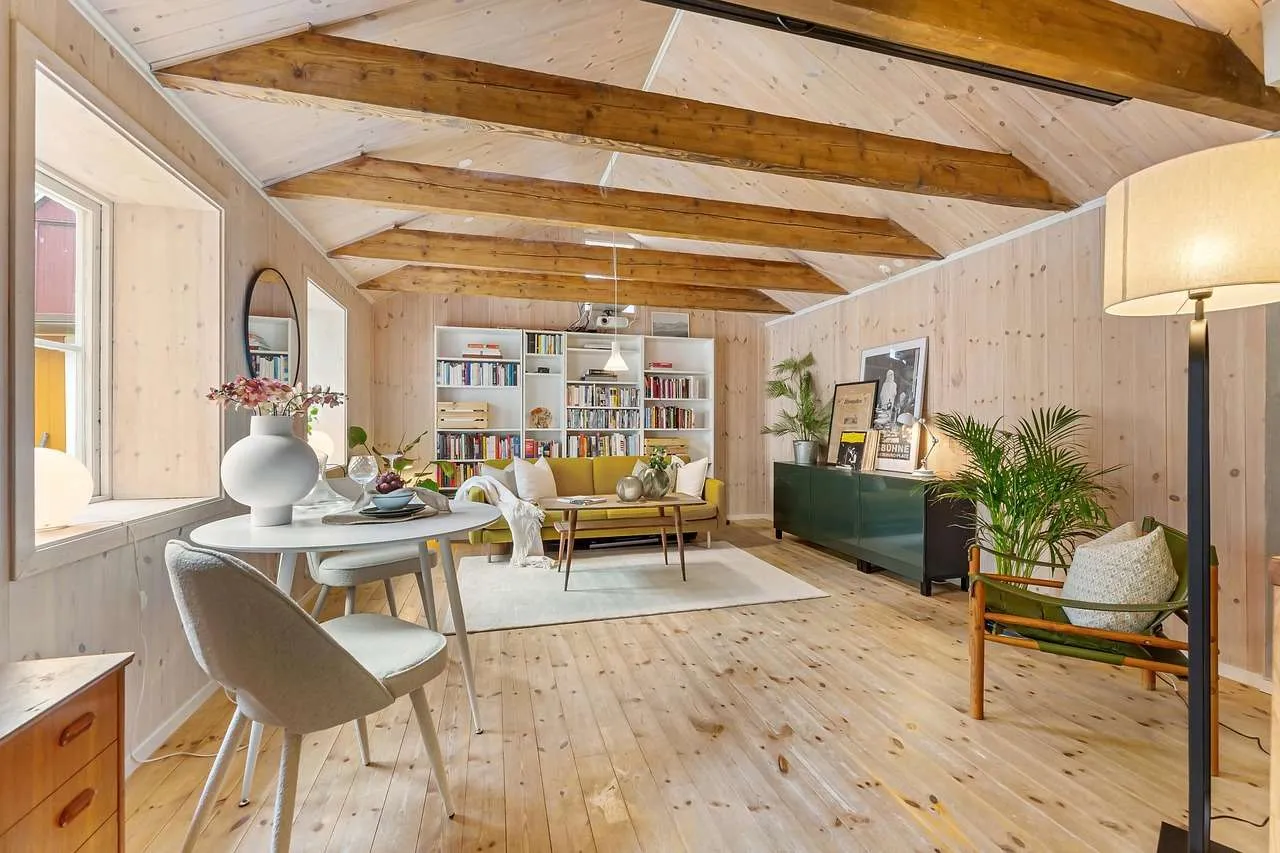
Home window tinting is a practical upgrade for residential spaces, combining comfort, energy efficiency, and privacy. Modern window films are designed to block harmful UV rays while reducing heat gain and glare, all while preserving natural light. This guide explains how tinting works, the main film types, key factors to consider, and how to select a reputable installer. By understanding the options and legal considerations, homeowners can make an informed decision that improves living conditions and protects furnishings.
What is home window tinting
Home window tinting refers to the application of a thin film to the interior or exterior surface of glass windows. The film can be dyed, metalized, ceramic, carbon, or hybrid, each offering different levels of heat rejection, glare control, and visibility. Unlike simple coverings, tint films are designed to filter infrared light and ultraviolet radiation while maintaining daylight perception. Proper installation also helps prevent peeling, bubbling, or edge delamination and preserves the aesthetic of your home.
Benefits of home window tinting
- Energy savings through reduced heat gain in summer and improved insulation in winter
- UV protection that helps prevent fading of floors, furniture, and artwork
- Glare reduction for more comfortable living spaces and better television and computer use
- Enhanced privacy without sacrificing natural light during daytime hours
- Increased safety from shattering by providing a bonded layer that helps hold glass fragments
Key factors to consider
Visible light transmission and heat rejection
Visible light transmission VLT indicates how much light passes through the film. Typical residential ranges span from around 5 to 70 percent. Lower VLT films offer more privacy and heat control but appear darker; higher VLT films preserve more daylight with modest heat reduction. For living areas and kitchens with abundant sun, a midrange VLT with high heat rejection often balances comfort and view.
UV rejection and safety
Most high quality films reject 99 percent or more of ultraviolet light, protecting interiors from fading and reducing skin exposure. Films that also reinforce glass can add a layer of safety against accidental breakage, an important consideration for homes with children or in areas prone to hazards.
Legal considerations
Tint darkness and reflectivity rules vary by region and window position. Front side windows are often subject to stricter limits than rear windows. Before installation, verify local regulations with the city or state authorities or your installer to avoid fines or replacement costs.
DIY vs professional installation
Professional installation generally yields better long term results, especially for large windows or unusual shapes. A trained installer ensures proper cleaning, alignment, bubble-free application, and warranty coverage. DIY kits can save upfront costs but may lead to uneven edges, air bubbles, or adhesive failures that compromise performance and safety.
Types of window tint for homes
Dyed tint
Dyed films are affordable and provide a darker appearance with decent glare reduction. They are less effective at long term heat rejection and may fade over time, requiring replacement to maintain performance.
Metalized tint
Metalized films reflect infrared light for strong heat control and can add strength to the glass. However, they can interfere with electronic devices and sometimes create a mirrored look that may not suit every home style.
Ceramic tint
Ceramic films are among the top performers for heat rejection and clarity, without metal and with minimal signal interference. They are more expensive but offer durable, high quality results and long warranties.
Carbon tint
Carbon films provide a rich, natural tint with good heat rejection and minimal reflectivity. They resist fading and maintain color over time, making them a popular all around option for homes.
Hybrid tint
Hybrid films combine elements of metalized and dyed or carbon films to balance heat control, glare reduction, and appearance. They tend to be midrange in price and performance.
Cost and return on investment
The price of residential window tinting varies by film type, window size, number of panes, and labor. Typical installed costs range from a few dollars per square foot for basic dyed films to higher tens of dollars for premium ceramic or carbon films. While upfront costs are a consideration, homeowners typically recoup energy savings within several years through lower utility bills and improved comfort. Additional value comes from protecting furnishings from UV fading and reducing glare in bright rooms.
Choosing a window tint installer
To ensure a reliable outcome, select a licensed, insured professional with proven experience in residential tinting. Ask for product samples and a written warranty covering film integrity, adhesion, and labor. Request references, check online reviews, and confirm installation follow up and warranty terms. A reputable installer will discuss local regulations, perform a home assessment to recommend films based on sun exposure and room use, and provide a clear quote with a timeline.
Comparison of common tint types
| Tint Type | UV Rejection | Visible Light Transmission | Pros | Cons | Typical Cost |
|---|---|---|---|---|---|
| Dyed | High | Low to Medium | Low cost, privacy | Fades over time | 2 to 6 per sq ft |
| Metalized | Very High | Medium | Excellent heat control | Potential electronics interference | 4 to 10 per sq ft |
| Ceramic | Excellent | High | Best heat rejection, clear view | Higher upfront cost | 6 to 12 per sq ft |
| Carbon | High | Medium to High | Dark appearance, durable | Moderate cost | 5 to 9 per sq ft |
| Hybrid | High | Medium to High | Balanced performance | Midrange price | 4 to 8 per sq ft |
Maintenance and care
Once installed, allow the film to cure according to manufacturer directions. Clean with a soft microfiber cloth and a mild soap solution, avoiding abrasive cleaners or scrubbing tools that can scratch the film. Periodic checks for edge lift or condensation behind the film can help detect issues early, and a reputable installer can perform maintenance or resealing if needed.
Conclusion, home window tinting offers privacy, energy savings, UV protection, and enhanced comfort. By understanding tint types and performance metrics, complying with local laws, and working with a qualified installer, homeowners can select the right film for their goals and safeguard their investment for years to come.